What If Rehab Didn’t Work?
Why Rehab Sometimes Fails, What Causes Relapse, and Alternative Paths Forward
Reading time: 10 minutes
Completing rehab does not always lead to lasting recovery. Some people relapse shortly after treatment, while others attend multiple programs without finding the level of change they hoped for. This guide explores common reasons rehab may not have worked, what can be learned from those experiences, and alternative approaches people often consider moving forward.
In This Guide
- Introduction
- What Does It Mean When Rehab Doesn’t Work?
- Why Rehab Doesn’t Work for Everyone
- Does Rehab Actually Work?
- What To Do If You’ve Been to Rehab More Than Once
- Alternatives After Rehab
- How AIR Approaches Recovery After Rehab Didn’t Work
- Key Questions Before Choosing Another Treatment Program
- Frequently Asked Questions
- Key Takeaways
- Conclusion
In This Series
- What if Rehab Didn’t Work? (you are here)
- Alternatives to Traditional Rehab
- Private Rehab Options
- Rehab Without Group Therapy
- One-on-One Rehab vs Group Rehab
Introduction
When rehab doesn’t produce the results someone hoped for, it can create a unique kind of frustration.
Many people enter treatment believing that completing a program will fundamentally change their lives. When relapse occurs, or when old struggles return despite significant effort, the experience can feel discouraging and confusing.
Questions often follow: Why didn’t rehab work? Did I fail treatment? Should I go back? Is there another approach that might make more sense?
The reality is that recovery is rarely a straight line. Addiction treatment helps many people, but no single model works for everyone. Different individuals respond differently to various environments, philosophies, levels of structure, and forms of support.
Understanding why rehab didn’t work can often provide valuable insight into what may be needed moving forward. In many cases, the experience itself offers important clues about what type of support may be a better fit in the future.
What Does It Mean When Rehab Doesn’t Work?
Most people use the phrase “rehab didn’t work” to describe one of several experiences.
For some, it means returning to substance use shortly after leaving treatment. For others, it means attending multiple treatment programs without achieving the stability or quality of life they hoped for. Some people remain abstinent but continue struggling with anxiety, depression, loneliness, burnout, or a lack of direction.
Success and failure in recovery are rarely as simple as they appear. Behavioral change often occurs gradually, and many people learn valuable lessons even from treatment experiences that ultimately fall short of their goals.
Understanding what specifically felt unsuccessful is often the first step toward identifying what might work better moving forward.
Why Rehab Doesn’t Work for Everyone
While treatment helps many people, there is no single approach that works universally. Different personalities, circumstances, histories, and recovery goals often require different forms of support.
The Rehab Program Wasn’t the Right Fit
Not every person responds well to the same treatment environment. Some people thrive in highly structured residential settings. Others struggle with large groups, institutional environments, or treatment models that feel disconnected from their daily lives.
A mismatch between the individual and the treatment experience can limit engagement, trust, and long-term effectiveness. In some cases, the issue is not that treatment failed entirely but that the particular approach was not the right fit.
Relapse After Rehab: When Insight Doesn’t Become Action
One of the most common frustrations after treatment is realizing that understanding a problem is not always enough to change it.
Many people leave rehab with a clear understanding of their triggers, behavioral patterns, and personal history. They can explain why they drink, use substances, or engage in self-defeating behaviors. Yet insight alone does not automatically create lasting change.
Recovery often requires repeated action in real-world situations, long after treatment has ended. The gap between understanding and implementation is one reason relapse after rehab remains common.
Returning to the Same Environment After Rehab
People do not recover in isolation. Relationships, routines, work stress, social circles, living environments, sleep patterns, and daily habits all influence behavior. Returning to the same environment after treatment can make lasting change difficult, especially when the conditions that contributed to the problem remain largely unchanged.
In many cases, recovery requires more than learning new tools. It also requires creating conditions that support the consistent use of those tools.
Underlying Issues Were Never Fully Addressed
Substance use is often connected to broader challenges that extend beyond the behavior itself. These may include:
- Trauma
- Anxiety
- Depression
- Burnout
- Chronic stress
- Relationship conflict
- Grief and loss
- Identity struggles
- Questions of meaning and purpose
When these underlying issues remain largely untouched, behavioral patterns often return even after periods of abstinence.
When Treatment Becomes the Goal Instead of Life
One challenge that occasionally develops in long-term treatment journeys is becoming highly familiar with treatment itself while still struggling to engage with everyday life.
A person may become knowledgeable about recovery concepts, therapeutic language, and treatment processes yet continue feeling disconnected from work, relationships, purpose, and ordinary responsibilities.
Recovery ultimately has to function outside of treatment. The goal is not becoming skilled at being a client. The goal is building a life that no longer revolves around the problem.
Does Rehab Actually Work?
This question generates considerable debate, partly because success is difficult to define.
Some programs measure success through abstinence. Others focus on reduced substance use, improved mental health, stronger relationships, employment stability, or overall quality of life.
Behavioral health outcomes are inherently difficult to measure because recovery unfolds over years rather than weeks. People often leave treatment at different stages of readiness, with different support systems and vastly different life circumstances.
Research consistently shows that many people benefit from treatment, particularly when they remain engaged in recovery-supportive activities after leaving a program. At the same time, relapse is common, and no treatment model produces perfect outcomes.
This does not necessarily mean treatment has failed. In many cases, recovery involves setbacks, adjustments, and multiple attempts before lasting change occurs.
The more useful question is often not whether rehab works, but which type of support is most likely to work for a particular individual.
What To Do If You’ve Been to Rehab More Than Once
Many people who eventually find lasting recovery have attended treatment multiple times.
Unfortunately, repeated treatment episodes can also create shame. People may begin to believe they are resistant to help or incapable of change.
In many cases, however, multiple rehab stays simply provide information. Each experience can reveal what worked, what did not work, and what may need to be different moving forward.
Rather than viewing previous treatment attempts as failures, it can be more productive to view them as data points that help clarify what type of support is most likely to help in the future.
Questions to Ask After Rehab Didn’t Work
If treatment did not produce the results you hoped for, consider asking:
- What aspects of treatment felt helpful?
- What aspects felt ineffective?
- Did I connect with the treatment environment?
- Did I engage with the group process?
- What happened after discharge?
- What challenges emerged once I returned home?
- What support was missing?
- What would need to be different next time?
These questions often provide more useful answers than simply deciding whether treatment succeeded or failed.
Alternatives After Rehab
For people who feel traditional treatment did not fully meet their needs, there are several alternative recovery approaches worth exploring.
One-on-One Rehab After Traditional Treatment
One-on-one rehab focuses entirely on the individual rather than a group process. Support is personalized, flexible, and tailored to the person’s specific circumstances, goals, and challenges.
Private Rehab Alternatives
Private treatment programs often emphasize discretion, individualized attention, flexibility, and confidentiality. These approaches may appeal to professionals, public figures, executives, and individuals who prefer a more private recovery experience.
Recovery Intensives and Immersive Programs
Recovery intensives offer concentrated support over a shorter period of time. Rather than providing months of treatment, they focus on creating meaningful progress around specific goals, transitions, or challenges.
Nature-Based Recovery Programs
Nature-based approaches incorporate movement, outdoor environments, and real-world experiences into the recovery process. For some individuals, these settings feel more engaging, less institutional, and more reflective of everyday life than traditional treatment environments.
Ongoing Professional Recovery Support
In some situations, another treatment program may not be necessary. Continued support through therapy, psychiatric care, recovery coaching, case management, or structured accountability may provide the guidance needed to maintain forward momentum.
How AIR Approaches Recovery After Rehab Didn’t Work
AIR was developed in part for people who have already spent time in traditional treatment settings and are looking for a different approach.
The goal is not to argue that rehab is ineffective or that traditional treatment lacks value. Many people benefit from residential programs, outpatient care, therapy, and mutual-support communities.
At the same time, some individuals leave treatment feeling as though they gained insight without experiencing meaningful change in daily life. Others struggle with highly structured environments, group-focused models, or approaches that feel disconnected from the realities they face once treatment ends.
AIR was designed around a different assumption: that lasting change is often easier to build when the work occurs in real-world environments rather than exclusively inside treatment settings. Rather than separating recovery from life, AIR attempts to integrate the two.
Capacity Building Rather Than Symptom Management
A central focus of AIR is capacity building. Rather than concentrating exclusively on symptom reduction or abstinence, the work emphasizes strengthening the individual’s ability to engage with life effectively.
This includes developing greater resilience, self-awareness, emotional regulation, decision-making, responsibility, adaptability, and tolerance for discomfort.
The underlying question becomes: What capacities need to grow in order for lasting change to become more likely?
The Role of SLIF
AIR utilizes the Stoic-Logotherapy Integrated Framework (SLIF), which combines practical elements of Stoic philosophy with principles derived from Logotherapy.
The framework is organized around three broad movements:
Clearing: reducing noise, confusion, avoidance, and unhelpful reactions.
Orienting: identifying values, meaning, direction, and personal responsibility.
Engaging: translating insight into consistent action in daily life.
Rather than focusing exclusively on symptom analysis, SLIF emphasizes helping individuals develop a clearer relationship with themselves, their choices, and their future.
The Influence of Environment
AIR also recognizes that human beings do not exist separately from their surroundings. Movement, terrain, weather, natural light, physical activity, social context, and environmental complexity all influence how people think, feel, and behave.
This understanding is reflected in AIR’s Ancestral Cognitive Ecology (ACE) framework, which explores how modern environments can sometimes contribute to psychological distress and behavioral rigidity. Rather than treating environment as a background variable, AIR treats it as an active component of the recovery process.
One Person, One Conversation
Most treatment models rely heavily on groups. AIR does not.
The work is conducted one-on-one, allowing conversations to move at the pace and depth appropriate for the individual rather than the group. For some people, this creates a level of honesty, focus, and precision that is difficult to achieve in larger treatment settings.
A Different Question
Many people arrive at AIR asking whether another treatment program will finally work. AIR often begins with a different question:
What conditions make meaningful change more likely for this particular person?
The answer is rarely identical from one individual to the next, which is why AIR emphasizes personalization, flexibility, and real-world application rather than a standardized treatment experience.
Key Questions Before Choosing Another Treatment Program
Before entering another program, consider the following:
- What specifically did not work previously?
- What aspects of treatment were helpful?
- What type of environment helps me engage?
- Do I learn better individually or in groups?
- What support will exist after treatment?
- What needs to be different this time?
The answers to these questions often provide valuable guidance when choosing the next step.
Frequently Asked Questions
Does relapse mean rehab failed?
Not necessarily. Relapse is common and often provides useful information about what type of support, environment, or approach may be needed moving forward, rather than indicating that treatment was worthless.
Is it normal to attend rehab more than once?
Yes. Many people who eventually find lasting recovery have attended treatment multiple times. Each experience can reveal what worked and what didn’t, helping clarify what type of support is most likely to help going forward.
What should I do if I don’t want to go back to the same type of program?
Consider what specifically didn’t work about your previous experience, then explore alternatives such as one-on-one rehab, private treatment, recovery intensives, nature-based programs, or ongoing professional support that better match your needs.
Why might rehab not work even when someone tries hard?
Often the program itself wasn’t the right fit, or insight gained in treatment never translated into real-world action. Returning to an unchanged environment, or underlying issues like trauma or anxiety going unaddressed, are also common reasons treatment falls short even when someone is fully engaged.
What are the alternatives if traditional rehab didn’t work?
Options include one-on-one rehab, private treatment programs, recovery intensives, nature-based programs, and ongoing professional support such as therapy or recovery coaching. The right alternative depends on what specifically didn’t work about the previous experience.
Does understanding my triggers mean I’m ready to stay sober?
Not necessarily. Many people leave rehab with a clear understanding of their triggers and patterns, but insight alone doesn’t automatically create lasting change. Recovery typically requires repeated real-world action long after treatment ends.
Key Takeaways
- “Rehab didn’t work” can mean several different things, from relapse to ongoing struggles despite abstinence. Understanding which one applies is the first step forward.
- Common reasons treatment falls short include a poor fit between person and program, insight that never became action, returning to an unchanged environment, unaddressed underlying issues, and treatment becoming an identity rather than a phase.
- Relapse and repeated treatment stays are common and often provide useful information rather than proof of failure.
- Alternatives after rehab include one-on-one treatment, private programs, recovery intensives, nature-based approaches, and ongoing professional support.
- AIR focuses on capacity building and real-world integration through the SLIF framework, one-on-one work, and attention to environment, rather than repeating a standardized group-based model.
Conclusion
If rehab didn’t work as expected, it does not necessarily mean recovery is out of reach.
Many people require multiple attempts, different forms of support, or an approach that better aligns with their personality, circumstances, and goals.
The goal is not simply to repeat the same process. It is to understand what happened, learn from the experience, and make a more informed decision moving forward.
For some people, that may mean another treatment program. For others, it may mean exploring alternatives after rehab that offer a different experience altogether.
Either way, lasting change often begins with a simple question: What needs to be different this time?
About the Author
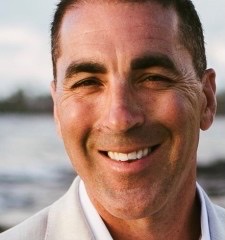
Cassidy Cousens is a certified counselor, interventionist, and founder of Arago Integrative Recovery (AIR). He has more than 25 years of applied behavioral health practice, including two decades as an owner-operator of treatment programs across the continuum of care.
AIR was designed around the understanding that many people benefit from experiencing treatment outside traditional systems, and that one-on-one work, movement, and being in nature create conditions that help people recover, heal, and build the capacity for meaningful and lasting change. Read more about Cassidy’s background.