Can I Go to Rehab Without Anyone Knowing?
The Practical Realities of Seeking Treatment Discreetly
Reading time: 8 minutes
Wanting to keep treatment private is common and reasonable. This guide walks through the practical realities, work leave, insurance visibility, family disclosure, and digital footprint, so you can plan realistically rather than guessing.
In This Guide
In This Series
- Can I Go to Rehab Without Anyone Knowing? (you are here)
- Discreet Recovery Options
- Anonymous Rehab Options
- Confidential Addiction Treatment
- Private Rehab for Professionals
Introduction
“Without anyone knowing” means different things to different people: some want complete secrecy, others just want to control who finds out and when. Both are reasonable goals, and both require some practical planning.
Taking Leave From Work
Depending on your employer’s policies and applicable leave laws, you may be able to take medical leave without disclosing the specific reason. HR practices and legal protections vary significantly by location and employer size, so check your specific situation directly with HR or an employment professional rather than assuming.
Insurance and Billing Visibility
If you’re on a shared insurance plan or household account, statements and explanations of benefits (EOBs) could potentially reach a family member who has access to that account. If this is a concern, ask your provider how billing is handled, request statements be sent directly to you if possible, or consider a private-pay option to avoid the insurance paper trail altogether.
Family Disclosure
Whether to tell family is entirely your decision. Programs generally cannot disclose your presence to family without your consent, so the choice to involve them, or not, remains yours. There’s no universally right answer; it depends on your specific relationships and what kind of support (or interference) disclosure would actually create.
Digital Footprint Considerations
If privacy matters to you, a few practical steps help: pause location-sharing apps during your time away, avoid posting in real time, and consider letting a small number of trusted contacts know you’ll be less reachable for a period, so they aren’t left guessing or worrying.
Setting Realistic Expectations
Complete, airtight anonymity is a high bar and not always realistic. A more useful and achievable goal for most people is significantly reduced visibility: controlling who specifically knows, rather than guaranteeing that literally no one ever finds out. Planning around that more realistic goal tends to reduce stress compared to chasing an impossible standard.
Realistic Limits to Full Anonymity
It’s worth being honest about this upfront: complete anonymity, in the sense of literally no one ever knowing, is achievable for some situations and genuinely difficult for others. An unexplained absence from work, a change in routine noticed by people close to you, or a financial transaction that needs an explanation can all create questions even when a program itself protects your information perfectly. Privacy from the program is only one part of staying unnoticed; the rest depends on your own circumstances and how much explaining an absence requires.
Setting realistic expectations here matters, because assuming total invisibility and then having someone notice something can feel like a broken promise, when in reality it was simply a limit that exists regardless of how private the program itself is. A more useful goal, for most people, is minimizing who knows and controlling the narrative if questions come up, rather than assuming zero exposure is guaranteed.
Practical Steps to Minimize Who Knows
A few things tend to help most: deciding in advance on a simple, consistent explanation for any absence, rather than improvising one under pressure; choosing a program format that fits naturally into your existing routine or explains itself easily, such as a work trip, a retreat, or travel, rather than one that raises more questions than it answers; and being selective and deliberate about who is told anything at all, rather than defaulting to full disclosure with some people and none with others out of convenience.
Programs designed around discretion from the ground up, rather than standard programs with a privacy add-on, tend to make this easier because the format itself, meaning timing, setting, and structure, is already built to minimize visible disruption.
Frequently Asked Questions
Can I take time off work without explaining why?
Depending on your employer and leave policies, you may be able to take medical leave without disclosing the specific reason. HR and leave policies vary significantly, so check your specific situation and consider consulting an employment professional if needed.
Will my insurance statements reveal I was in treatment?
Possibly, if statements go to a household member or shared account. If this is a concern, ask your provider about billing practices, or consider whether a private-pay option better protects your privacy.
Do I have to tell my family I’m going?
No, that’s your decision. Some people choose to involve family for support; others prefer not to. Neither is inherently right, and it depends on your specific relationships and circumstances.
What about social media and location sharing?
If privacy matters to you, consider pausing location-sharing features and posting during your time away, and let close contacts know you’ll be less reachable rather than leaving them wondering.
Is complete anonymity realistic?
Largely, yes, with some planning, though “complete” anonymity is a high bar. A more realistic goal for most people is significantly reduced visibility, not zero traceability.
What’s a reasonable explanation to give for an unexplained absence?
This is a personal decision with no universally right answer, but simple and consistent tends to work better than elaborate or vague. A short, plausible explanation decided in advance, and used consistently, is generally easier to maintain than something invented on the spot or a story that changes.
Does a shorter or more flexible program make anonymity easier?
Often, yes, simply because a shorter or more schedule-flexible format requires less explaining than an extended, fixed-length absence. This is one reason some people specifically look for intensive or road-based formats that can be compressed into a defined window rather than an open-ended stay.
Key Takeaways
- Work leave, insurance billing, family disclosure, and digital footprint are the main practical factors to plan around.
- You control family disclosure; programs generally won’t share your presence without consent.
- A private-pay option can reduce insurance-related visibility if that’s a specific concern.
- Aim for realistic, significantly reduced visibility rather than absolute, guaranteed anonymity.
Conclusion
Discretion around seeking treatment is achievable with some practical planning, even if perfect anonymity isn’t guaranteed. Thinking through work leave, billing, family, and your digital footprint ahead of time helps you seek help on your own terms.
About the Author
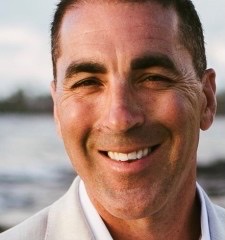
Cassidy Cousens is a certified counselor, interventionist, and founder of Arago Integrative Recovery (AIR). He has more than 25 years of applied behavioral health practice, including two decades as an owner-operator of treatment programs across the continuum of care.
AIR was designed around the understanding that many people benefit from experiencing treatment outside traditional systems, and that one-on-one work, movement, and being in nature create conditions that help people recover, heal, and build the capacity for meaningful and lasting change. Read more about Cassidy’s background.