
One-on-One Rehab for Professionals
Getting Support Without Putting Your Career, Reputation, or Schedule at Risk
Reading time: 8 minutes
Professionals often delay seeking help for reasons that have nothing to do with whether they need it: confidentiality concerns, demanding schedules, licensing or credentialing exposure, and the simple fact that stepping away from work for weeks isn’t always realistic. This guide looks at how one-on-one treatment addresses those specific concerns.
In This Guide
- Introduction
- The Unique Concerns Professionals Face
- How One-on-One Treatment Addresses These Concerns
- Who This Tends to Fit
- Questions to Ask Before Choosing a Program
- Different Professions Carry Different Concerns
- Returning to Work After Treatment
- Frequently Asked Questions
- Key Takeaways
- Conclusion
In This Series
- One-on-One Rehab for Professionals (you are here)
- What Is One-on-One Rehab?
- Private Rehab for Professionals
- Executive Rehab Programs
- Confidential Addiction Treatment
Introduction
For many professionals, the decision to seek treatment isn’t really a question of whether they need it. It’s a question of whether they can get it without putting something else at risk: a license, a reputation, a business, a role that other people depend on, or simply the ability to keep working while getting help.
Those concerns are legitimate, and they don’t disappear just because someone needs support. One-on-one treatment was built, in part, around addressing exactly this kind of situation.
The Unique Concerns Professionals Face
A few concerns come up consistently among professionals considering treatment.
Confidentiality. Many professionals hold roles where personal struggles becoming public knowledge could have real consequences: client relationships, board confidence, licensing boards, or simply how colleagues and employees perceive them.
Time away from work. A traditional 30 to 90 day residential stay isn’t realistic for everyone. Businesses, practices, and teams often can’t function without a specific person present for that long, and some professionals genuinely cannot take that kind of leave without significant consequences.
Group exposure. Sitting in a group with strangers, sharing personal history, can feel especially risky for people whose professional identity depends on being seen as capable and in control. That doesn’t mean the concern is vanity. It’s often a realistic assessment of professional risk.
Licensing and credentialing questions. Some professions have specific reporting or monitoring requirements tied to treatment, which adds another layer of complexity that a general program may not be equipped to navigate.
How One-on-One Treatment Addresses These Concerns
One-on-one treatment removes several of these barriers structurally, simply by removing the group and building the format around a single individual.
There’s no group to be seen in, which addresses the exposure concern directly. Scheduling can often be built around a professional’s actual availability rather than a fixed program calendar, which helps with the time-away-from-work concern, though it doesn’t eliminate it entirely. Because there’s no group to coordinate, sessions can also happen in more flexible or private settings, which some professionals find preferable to a clinical facility.
None of this replaces the need for real, honest engagement in treatment. It simply removes some of the structural barriers that keep some professionals from starting in the first place.
Who This Tends to Fit
This approach tends to be most relevant for:
- Executives, founders, and business owners whose absence would be difficult to cover
- Physicians, attorneys, and other licensed professionals with credentialing considerations
- Public-facing individuals concerned about visibility or reputation
- People who have avoided seeking help specifically because of privacy or scheduling concerns
This isn’t a complete list, and plenty of professionals choose traditional group-based treatment successfully. The point is naming the specific situations where these concerns tend to be strong enough to shape the decision.
Questions to Ask Before Choosing a Program
If confidentiality and flexibility are priorities, it’s worth asking any program directly:
- How is client confidentiality actually protected, beyond a general privacy policy?
- Can the schedule accommodate ongoing work responsibilities, and to what degree?
- Does the program have experience working with licensed professionals and any related reporting requirements?
- What does a typical day actually look like, and how much flexibility is realistically possible?
Vague answers to these questions are worth taking seriously as a warning sign. A program built around this kind of situation should be able to answer them clearly.
Different Professions Carry Different Concerns
“Professional” covers a wide range of situations, and the specific worry usually depends on the field. Executives and founders tend to worry about visibility: being recognized, having an absence noticed, or having the situation become a topic among colleagues or investors. Licensed clinicians, physicians, and attorneys often carry an added layer: concern about how seeking treatment might interact with a licensing board, credentialing body, or malpractice coverage. Public-facing professionals worry about a different kind of exposure entirely.
These aren’t the same problem, even though they get grouped under “professional” treatment. Someone whose primary concern is licensing implications needs different information, often from a lawyer or their specific board, not just a treatment program, than someone whose main concern is discretion from colleagues. Recovery professionals themselves (therapists, interventionists, counselors) face a version of this that’s specific enough that AIR built a separate track for it, Industry Insiders, built around the particular difficulty of seeking help in a field where you’re expected to be the one providing it.
Returning to Work After Treatment
Re-entry gets less attention than the treatment itself, but for working professionals it’s often the part that determines whether the change holds. A few things tend to matter: whether there’s a staged return built into the plan rather than an abrupt full-time restart, whether aftercare continues once work resumes rather than ending when treatment does, and whether there’s a plan for the specific triggers of the professional environment, such as travel, deadline pressure, and client-facing situations, rather than a generic relapse-prevention plan.
Programs that only plan up to discharge, without addressing the return to work specifically, leave out a phase that’s frequently where things break down. It’s a reasonable question to ask any program directly: what does the plan look like for the first weeks back at work, not just the weeks in treatment.
Frequently Asked Questions
Will seeking treatment affect my professional license?
This depends entirely on your specific field, licensing board, and jurisdiction, and it isn’t something a treatment program can answer on your behalf. If this is a concern, it’s worth speaking directly with your licensing board or an attorney familiar with your profession before making decisions, since the rules vary significantly and this isn’t legal advice.
Can I keep working during one-on-one treatment?
Some professionals do maintain limited work involvement during treatment, depending on the program’s structure and their own capacity. This varies significantly by individual and program, and it’s a specific question worth asking directly rather than assuming.
Is one-on-one treatment more discreet than traditional rehab?
It removes group exposure specifically, which addresses one common concern. It doesn’t automatically address every privacy consideration, so it’s worth asking any program directly about how confidentiality is handled in practice.
Can I choose a setting that reduces the chance of being recognized?
Location and format both affect this. Programs based away from major professional hubs, or built around travel rather than a fixed facility, naturally reduce the odds of an overlap with your professional circle. It’s a fair question to ask any program directly, since the answer varies by model and location.
Key Takeaways
- Professionals often delay treatment over confidentiality, scheduling, and career or licensing concerns, not because they doubt they need help.
- One-on-one treatment addresses several of these concerns structurally, by removing the group and allowing more flexible scheduling.
- It tends to fit executives, licensed professionals, and public-facing individuals whose privacy and availability concerns are strong enough to shape the decision.
- Licensing and reporting questions are situation-specific and worth discussing directly with a licensing board or knowledgeable professional, not assumed.
- Any program claiming to serve professionals well should be able to answer specific questions about confidentiality and scheduling clearly.
Conclusion
Privacy, scheduling, professional risk. The barriers that keep many professionals from seeking help are real, not excuses. One-on-one treatment doesn’t eliminate every one of those concerns, but it’s structured in a way that directly addresses several of the most common ones.
The goal isn’t finding a way around getting real help. It’s finding a format that makes it actually possible to get that help without unnecessarily risking the career or responsibilities that matter to you.
About the Author
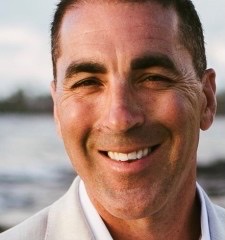
Cassidy Cousens is a certified counselor, interventionist, and founder of Arago Integrative Recovery (AIR). He has more than 25 years of applied behavioral health practice, including two decades as an owner-operator of treatment programs across the continuum of care.
AIR was designed around the understanding that many people benefit from experiencing treatment outside traditional systems, and that one-on-one work, movement, and being in nature create conditions that help people recover, heal, and build the capacity for meaningful and lasting change. Read more about Cassidy’s background.