Nature-Based Recovery
Why the Outdoors Plays Such a Large Role in How People Heal
Reading time: 9 minutes
Nature-based recovery isn’t a single method, it’s a category of approaches that use time outdoors, movement, and natural settings to support treatment. Here’s what it actually involves, why it works the way it does, and where its limits are.
In This Guide
- Introduction
- What Nature-Based Recovery Looks Like
- Why Nature Affects the Nervous System
- The Role of Awe and Reverence
- Different Formats
- Real Limitations
- How AIR Approaches This
- Questions to Ask a Provider
- Common Misconceptions About Nature-Based Recovery
- Telling Genuine Nature-Based Programs From Wellness Marketing
- Frequently Asked Questions
- Key Takeaways
- Conclusion
In This Series
- Nature-Based Recovery (you are here)
- Experiential Therapy and Outdoor Recovery
- What Are Recovery Immersives?
- Private Mental Health Retreats
- What Recovery Model Is Right for Me?
Introduction
People sometimes assume nature-based recovery means a wilderness camping trip and not much else. In practice it’s a broad category, ranging from short outdoor components added to a traditional program, to standalone wilderness therapy, to programs where time outdoors is built into the daily structure of treatment itself. What connects them is a basic premise: the environment a person is in affects how well they can do the clinical work.
What Nature-Based Recovery Looks Like
Depending on the program, nature-based recovery can include hiking or walking sessions built into therapy, extended wilderness expeditions, outdoor group challenges, gardening or land-based work, or simply relocating one-on-one clinical work outdoors instead of into an office. Some programs treat nature as an occasional supplement; others structure the entire day, movement, meals, reflection, and rest, around the outdoor setting.
Why Nature Affects the Nervous System
Much of modern daily life, screens, artificial light, constant noise, minimal movement, is a poor match for a nervous system that evolved around very different conditions: natural light cycles, varied terrain, physical activity, and face-to-face contact. When that mismatch is chronic, it can show up as stress, poor sleep, and difficulty regulating emotion, symptoms that often look purely psychological but have a real environmental component.
Time outdoors tends to restore some of those original conditions: natural light supports circadian rhythm, movement helps regulate mood and attention, and open, varied terrain gives the senses something more stabilizing to work with than a static indoor room. This isn’t a cure on its own, but it changes the conditions a person is doing the clinical work in.
The Role of Awe and Reverence
There’s a well-documented human response to encountering something vast, a mountain range, a night sky, an old-growth forest, that researchers describe as awe: a mix of wonder and a felt sense of being part of something larger than yourself. This isn’t something a program manufactures or teaches; it’s a natural response that tends to surface when people are simply present in a large, undistracted natural setting. Many people in recovery describe moments like this as some of the clearest, most grounding experiences of their process, not because anyone orchestrated a “breakthrough,” but because presence in that kind of space tends to quiet rumination and widen perspective on its own.
Different Formats
- Wilderness therapy: Often used with adolescents and young adults, typically a group-based, expedition-style format with licensed clinical staff.
- Adventure therapy: Structured outdoor challenges (climbing, rafting, ropes courses) used to build confidence and process emotion through shared activity.
- Nature-integrated one-on-one programs: Individualized clinical treatment where outdoor movement and setting are built into daily structure rather than treated as an occasional activity.
- Outdoor-supplemented traditional programs: Standard residential or outpatient treatment with periodic outdoor components added in.
Real Limitations
Nature-based approaches aren’t a fit for everyone. Medical needs, mobility limitations, certain physical health conditions, or a need for a controlled clinical environment can all make an outdoor-heavy format inappropriate or require significant modification. Weather, terrain, and physical demands need real safety planning, not just good intentions. And nature immersion on its own isn’t a treatment; it’s a context that can support the clinical work, not a replacement for it.
How AIR Approaches This
AIR builds nature immersion into daily, one-on-one treatment rather than treating it as a separate activity, an approach grounded in what AIR calls Ancestral Cognitive Ecology, the idea that many modern symptoms reflect a mismatch between a person’s environment and the conditions the human nervous system evolved to expect. In practice, this looks like movement, natural light, varied terrain, and one-on-one dialogue happening together rather than separately.
Questions to Ask a Provider
- Is the outdoor component supervised by licensed clinical staff?
- What’s the plan for weather, terrain, or medical needs?
- Is nature integrated into daily treatment, or is it an occasional add-on?
- What happens if the outdoor format isn’t a good physical fit for me?
Common Misconceptions About Nature-Based Recovery
A frequent misconception is that nature-based recovery means replacing clinical treatment with hiking and fresh air. In legitimate programs, the outdoor or nature-based element is a setting and a therapeutic tool layered onto clinical work, not a substitute for it. Licensed clinicians, structured sessions, and a defined treatment plan are still present; the environment changes how the work happens, not whether real clinical work happens.
Another misconception runs the opposite direction: that a nature-based setting is inherently softer or less rigorous than a clinical facility. Plenty of nature-based and outdoor-integrated programs maintain the same clinical standards as facility-based treatment; the setting is a design choice about what helps people engage, not an indication of lower intensity.
Telling Genuine Nature-Based Programs From Wellness Marketing
“Nature-based” and “wilderness” can describe genuinely clinical programs or loosely structured wellness experiences using similar language. A few questions clarify which is which: who provides the clinical component, and what is their licensure; how is the nature or outdoor element actually integrated into treatment, specifically, rather than existing alongside it; and what happens on days when weather or logistics limit outdoor access: is there a real clinical structure underneath, or does the program depend entirely on the setting?
A program that can answer these specifically, rather than relying on the appeal of the setting itself, is more likely to be offering genuine clinical treatment with a nature-based approach rather than a wellness experience marketed as treatment.
Frequently Asked Questions
Is nature-based recovery just wilderness camping?
No. It’s a broad category ranging from short outdoor additions to a standard program, to daily nature-integrated one-on-one treatment, to standalone wilderness therapy.
Does time outdoors actually help with recovery?
Time outdoors can support nervous system regulation, mood, and attention, which can make clinical work easier to engage with. It’s a supportive context, not a standalone treatment.
Is nature-based recovery safe for everyone?
Not automatically. Medical needs, mobility limitations, and certain health conditions can require significant modification or make an outdoor-heavy format inappropriate. Ask providers directly about safety planning.
What is Ancestral Cognitive Ecology?
It’s the framework AIR uses to describe how modern environments often mismatch what the human nervous system evolved to expect, and how restoring more natural conditions can support regulation and clarity.
Is nature-based recovery evidence-based, or is it more of a wellness trend?
The underlying mechanisms, such as stress reduction from time outdoors, the therapeutic value of movement, the way novel environments can support psychological change, are grounded in established research. Whether a specific program translates that into rigorous clinical treatment depends entirely on that program’s structure and staffing, not on the nature-based approach itself.
Do I need to be physically fit to participate in a nature-based program?
It depends heavily on the specific program. Some involve significant physical activity; others are much gentler, built around presence in a natural setting rather than exertion. It’s worth asking directly about the physical demands of a specific program rather than assuming based on the general category.
Key Takeaways
- Nature-based recovery ranges from occasional outdoor add-ons to fully nature-integrated daily treatment.
- Time outdoors can support nervous system regulation, but it’s a context for the clinical work, not a substitute for it.
- Awe and reverence in natural settings are a well-documented human response, not something a program manufactures.
- Safety planning around weather, terrain, and medical needs matters as much as the therapeutic intent.
Conclusion
Nature-based recovery works best when it’s understood as a context that supports real clinical work, not a technique on its own. Ask specifically how a program structures its outdoor component, who supervises it, and how it fits into your actual treatment plan.
About the Author
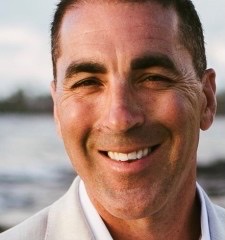
Cassidy Cousens is a certified counselor, interventionist, and founder of Arago Integrative Recovery (AIR). He has more than 25 years of applied behavioral health practice, including two decades as an owner-operator of treatment programs across the continuum of care.
AIR was designed around the understanding that many people benefit from experiencing treatment outside traditional systems, and that one-on-one work, movement, and being in nature create conditions that help people recover, heal, and build the capacity for meaningful and lasting change. Read more about Cassidy’s background.
Explore AIR
More in This Series
- Experiential Therapy and Outdoor Recovery
- Private Recovery Intensives
- Private Mental Health Retreats